

You think you know everything about Sitges, but we want to share some curious facts that may surprise you. Since 1880 and until today, Sitges has been positioning itself as a cosmopolitan tourist destination, specialized as a MICE destination since 1992, as well as a leisure destination.
Sitges is brimming with creative energy, tradition and uniqueness. Thanks to its free spirit and cosmopolitan soul, for centuries it has been a meeting point and a magnet for intellectuals, patrons, entrepreneurs and artists from all over the world, including Santiago Rusiñol, Charles Deering, Facundo Bacardí and Quentin Tarantino.
.
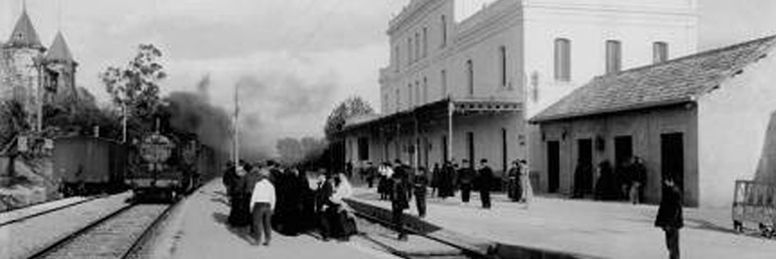
Sitges is an accessible destination since 1881
- The first train connecting Sitges with Barcelona arrived in 1881.
- In 1992, the Garraf Tunnels were built, which now make it possible to drive to Barcelona’s international airport in 25 minutes and to its city center in 35 minutes.
Sitges is a lifestyle benchmark, and as early as the 19th century it was being developed as a glamorous tourist town
- Between 1892 and 1899, the first meetings in Sitges were held, 5 small art “congresses” with international artists representing different disciplines, organized by Santiago Rusiñol and known as the Festes Modernistes (Modernista Festivals).
- In 1916, Sitges’ first hotel was inaugurated, the Hotel Subur, a pioneer in the hotel sector and the first hotel in Catalonia.
- In the 1940s Sitges could already boast 5 hotels: Subur, Terramar, Sitges, Miramar and Cau Ferrat. There were also a dozen boarding houses.
- In 1861 the El Prado and El Retiro cultural associations were founded to promote culture. Today, both associations continue to offer their facilities and cultural life in Sitges.
- El Prado opened its theater in 1869, and the first movie screenings took place in 1911.
- El Retiro opened as a theater in 1870 and the first movie screenings date back to 1908.


In 1919, Catalonia’s first garden city was built, including in its original project:
- a luxury hotel, the Terramar Palace Hotel , inaugurated in 1933
- the Modernista gardens
- a golf course opened in 1927
- the first racetrack in Spain, inaugurated in 1923
- and a casino over the sea, which was never built
In 1992, the Auditorium with a seating capacity for 1400 people, the Convention Center and the 4*S hotel managed by Meliá, the largest in Catalonia at that time, were inaugurated.
In 2004, Dolce Sitges 5* hotel was inaugurated as well as a Convention Center with a seating capacity for 500 people.
In 2004, the Sitges Convention Bureau was created, together with the industry’s most relevant professionals, to promote the destination within the MICE sector.
Sitges has 3 marinas:
- Garraf Yacht Club, founded in 1965
- Aiguadolç Marina, inaugurated in 1975
- Port Ginesta, opened in 1986
In terms of gastronomy, Sitges has always been known for its high quality establishments and excellent cuisine
- In 1913, “El Chiringuito” opened, the first beach bar of its kind in Spain and the first to use this term christened by Captain Calafell.
- In 1932, the first sports facilities were inaugurated, the Mª Teresa swimming pool, and the Playa de Oro Casino, a restaurant with seating for 140 people and spaces for various recreational activities.
- In 1933, El Brollador Bar opened on the Paseo Marítimo promenade, which in 1957 became the PicNic Restaurant, still open today.
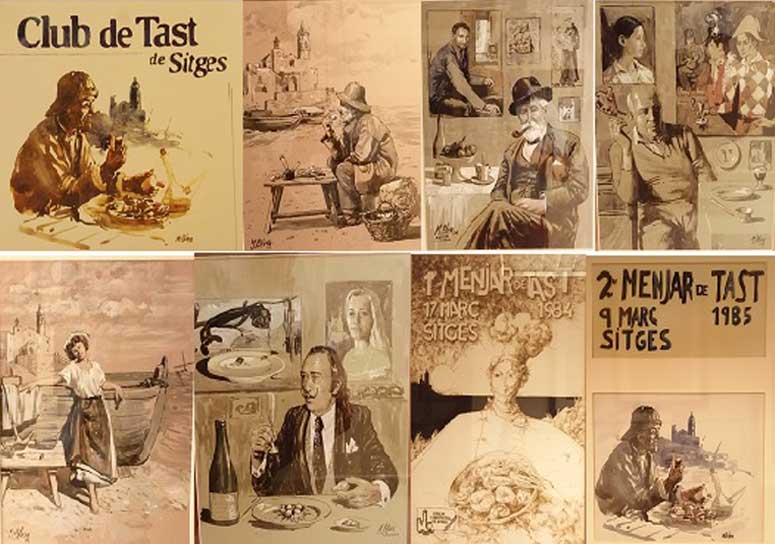
- In 1984, the first gastronomic festival of the “Club de Tast”, an association of restaurants featuring local cuisine, was held.
- In 2014, La Sitgetana, a craft beer brewery, opened offering a multipurpose space as well, just a few minutes from the center of Sitges.
- In 2019, the Malvasia Interpretation Center opened, promoted by the Sant Joan Baptista Hospital Foundation and located in the old Town Corral and the former Hospital Cellar.

Sitges has been a pioneer in night life
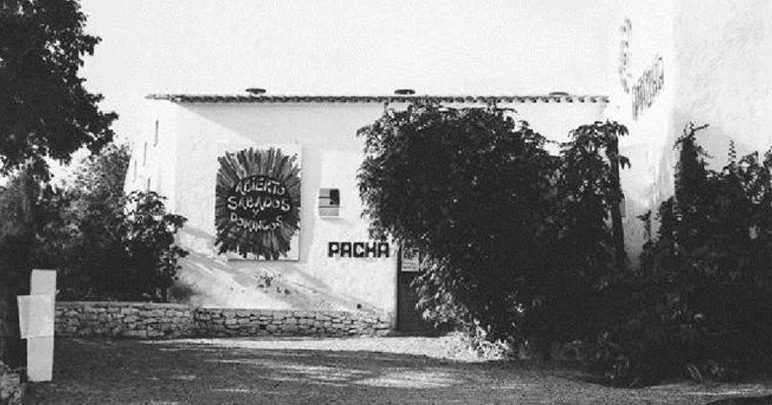
- In the 60’s, the first Pacha in the world was opened.
- In the 80’s, the Atlantida was a pioneer of open-air clubs.
Forerunner of LGBTIQ+ tourism
Sitges stands out for its open-minded mentality of coexistence, where diversity enhances and enriches, which made it a forerunner of LGBTIQ+ tourism.
- Since 1895, private parties were organized that attracted an important number of artists and intellectuals, including a sizeable group from this segment.
- In 1958, the Hotel Romàntic opened, the first hotel to appear in the gay tourist guides.
- The El Comodín and El Candíl bars appeared in the 1950s.
- In 2006, Sitges became the first town in Spain to erect a monument against homophobia.
- Since 2009, it hosts one of this sector’s most important annual events in Europe, the “Sitges Bears Week“, which brings together more than 7,000 bears.
- The Gay Pride has been held since 2009.
Long-standing international events and festivals are annual rendezvous for visitors from all over the world
- Carnival, with more than 100 years of history.
- Barcelona-Sitges International Vintage Car Rally since 1959.
- Sitges-International Fantastic Film Festival of Catalonia since 1968.
- International Patchwork Festival since 2010.

Innovative, welcoming and dynamic destination, with top-quality hotels and sustainability certificates
Sitges has been a Biosphere destination since 2016, and is committed to environmental, economic and social sustainability.
Its urban design offers the possibility of moving around on foot with no need to use mass public transport. Enjoying the Mediterranean essence in the streets of the old town, the town center, or on the seafront promenade with its magnificent mansions, Modernista buildings, unique outdoor venues and secluded gardens that allow for organizing outdoor events and activities throughout the entire year. The protected Garraf Park and the surrounding DO Penedés and Garraf wine-growing areas offer ideal activities to complement a stay in the destination.
And so, identity, character, empathy, physiognomy, dedicated professionals, top quality establishments, an attractive and surprising range of complementary services and its perfect location have made Sitges the leading MICE destination in Catalonia, second only to Barcelona, and a unique destination for holding events and meetings of all kinds.